
Blog
Classes
The Blog

Why Won’t Someone Teach Me?
I looked at my godson and told him, “I haven’t been a Tata for very long and feel that I still have a lot to learn. Are you sure you want me to be your godfather? I would be happy […]
Palo Mayombe: African Origins NEW Course Available on UDEMY!
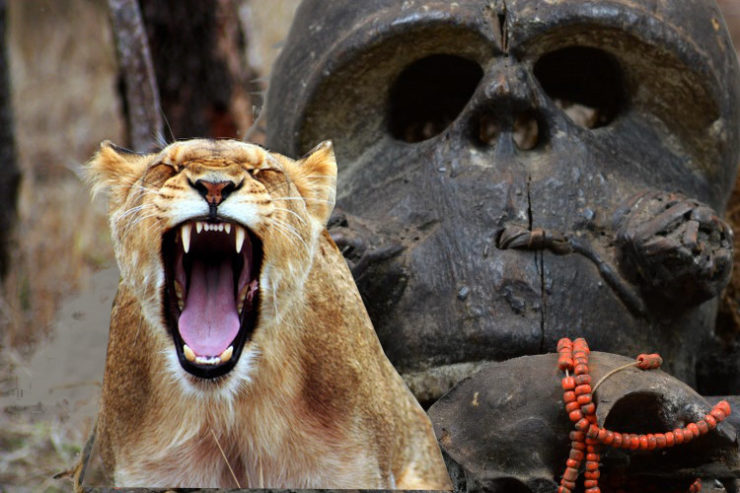
In this course you will better understand how the events and people in Africa shaped what would later become the religion of Palo Mayombe in Cuba. This course is made up of seven lectures that are meant to easily explain the origins of the Palo […]
The Ancient Malongo Ceremony
The Ancient Malongo Ceremony by Ralph Alpizar www.elmundodelosbrujos.com Originally there was an initiation ceremony within the Mayombe and Biyumba branches known as the malongo ceremony. This was the first step for anyone interested in joining a “house” or Munanso. Oftentimes, this was the […]
Congo-Cuba in New York: Palo Mayombe Music, Dance & Religion
On Monday May 11th, 2015 The Center for Humanities (CUNY) will host an event entitled: Congo-Cuba in New York: Palo Mayombe Music, Dance & Religion Join leading scholars, priests, and performers of Afro-Cuban Congo culture for enlightening presentations and discussions […]
The Winds of Lent
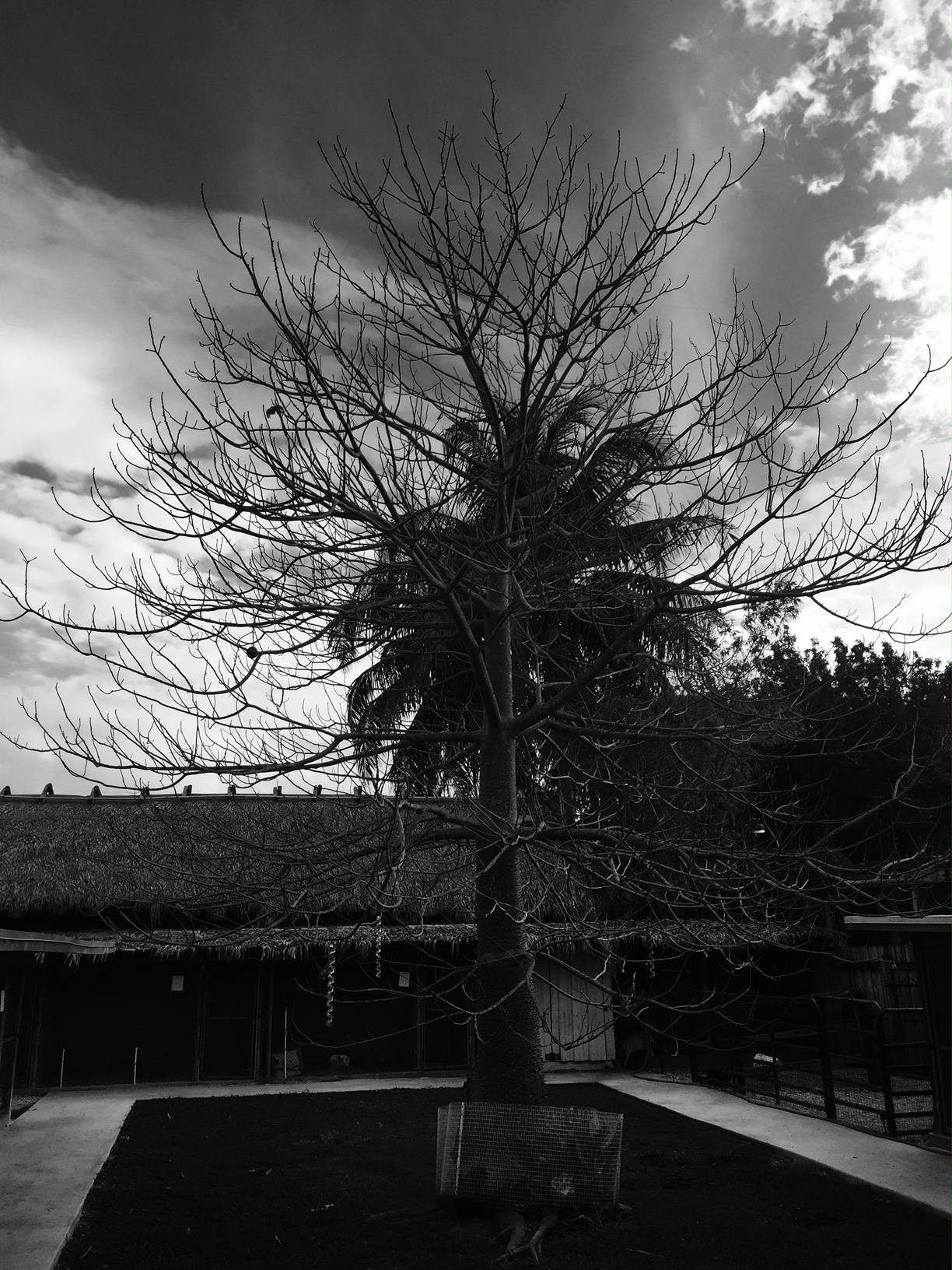
photo courtesy of irokofarms.com I took a walk and couldn’t help but notice the almasigo and ceiba trees have begun to sprout new leaves and ducks have their nests full of eggs. Over the years the more connected I become […]
This CANNOT be learned in a classroom!
Esto NO se aprende en una aula! This CANNOT be learned in a classroom! Recently I have received several inquiries from Palo initiates regarding my upcoming course Palo: Theoretical and Practical Approaches. Everyone wants to know if I am “teaching […]
Eleda.Org Seminars Announces its Upcoming Class: Palo: Theoretical and Practical Approaches
An Introduction to Bantú Cosmology and the Rites of Palo, and the religion’s magical powers that heal the human body, mind, and soul. An important and groundbreaking course on the most often misunderstood of the Afro-Cuban religions Beginning: Thursday, October […]
Does the nfumbe live in the nganga? by Ralph Alpizar
Translation from Original by Oscar Guerrero 8/22/2013 One day, in one of the many long conversations with Tatica (a nickname that was given to one of the most well known mayomberos from Cuba) I asked him, “does the nfumbe live […]
The “Powers” of the Mayombero and Mayombera by Ralph Alpizar
This article is the third part of, “The Powers of the Tata Nganga and Yaya Nganga” Translation from Original by Oscar Guerrero 8/20/2013 Among the Bakongo of Africa the nganga (priest) has always recognized the existence of “spiritual entities” and […]
Kinfuiti Celebration – La Fiesta Kinfuiti
Havanatimes.org has featured an interesting story on the Kinfuiti Celebration in Cuba along with many pictures. To read this in English please visit this link: http://www.havanatimes.org/?p=98125 Para leer este articulo en Español por favor visite este enlace: http://www.havanatimes.org/sp/?p=89970 […]
Swirl, Tailwind, Tornado and Bad Wind by Ralph Alpizar
This article is the second part of, “The Powers of the Tata Nganga and Yaya Nganga” Translation from Original by Oscar Guerrero 8/19/2013 We previously left off speaking about the “mazamba well.” This famous “magical well” which my informant spoke […]